The evolution of modern packaging solutions for consumer goods
The global packaging industry has experienced a massive and highly significant transformation over the last few decades as manufacturers continuously seek more efficient ways to protect, preserve, and present their products. Consumers today demand ultimate convenience, long-lasting freshness, and environmental sustainability, forcing brands to completely rethink their traditional packaging strategies from the ground up. One of the most notable and impactful innovations in this changing commercial landscape is the widespread adoption of flexible packaging alternatives that successfully replace heavy, rigid containers. Businesses across Europe and the rest of the world are rapidly turning to advanced automated machinery to streamline their production lines, increase operational efficiency, and meet these rapidly changing market expectations with great success.
The versatile benefits of the stand up bag in retail
A major driving force behind this ongoing flexible packaging revolution is the increasing popularity of the stand up bag. This specific format offers numerous practical advantages for both manufacturers and end users in various industries. Because of its unique structural design and durable base, it can stand upright perfectly on retail shelves, providing excellent visibility, maximum branding opportunities, and an attractive presentation for shoppers. Compared to traditional glass jars, heavy tin cans, or bulky plastic tubs, this lightweight option requires significantly less raw material to manufacture. This direct reduction in material weight drastically lowers transport costs and reduces the total carbon footprint during distribution. Furthermore, the seamless incorporation of high-quality resealable zippers extends the shelf life of diverse food items, successfully minimizing household food waste in European countries like Germany, France, Italy, Spain, and the Netherlands.
Innovative machinery for efficient flexible packaging lines
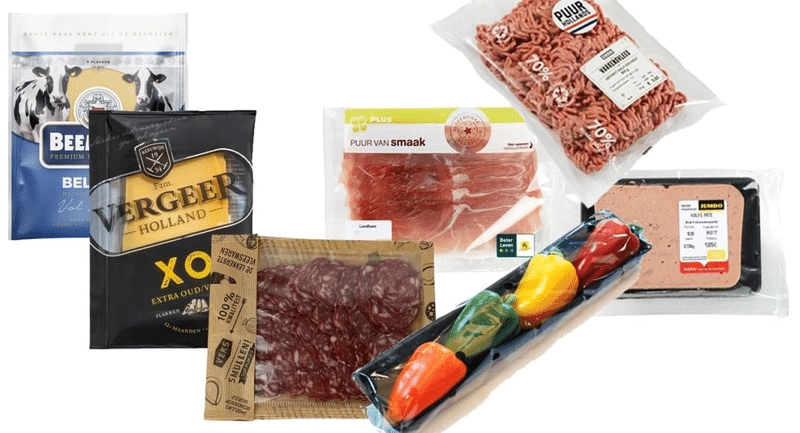
To successfully implement these modern formats on a commercial scale, production facilities must invest in reliable and high-speed equipment that guarantees consistent results. Automated systems that shape, fill, and seal packages have become absolutely essential for maintaining a strong competitive edge in a fast-moving market. Advanced horizontal flowpack machines are specifically engineered to handle delicate films and ensure airtight seals, which are crucial for maintaining strict food safety standards across the globe. By optimizing the transition to flexible alternatives, manufacturing companies can substantially increase their daily output while simultaneously reducing operational downtime, mechanical errors, and unnecessary material waste during the manufacturing process. This technological integration allows brands to achieve a highly streamlined workflow that maximizes profitability and long-term commercial success.
How smart engineering supports global sustainability goals
As environmental regulations become increasingly stricter across the European Union, manufacturers face growing pressure to utilize completely recyclable mono-materials and sustainable alternatives. Modern packaging systems must be adaptable enough to process these new eco-friendly films without sacrificing production speed or sealing quality. Leading engineering firms focus heavily on developing intelligent technology that fully supports the circular economy. Through continuous research and technical development, automated lines are now highly capable of handling ultra-thin materials and specialized paper-based substrates, allowing global brands to fulfill their environmental promises while still delivering premium products to their customers. This balance between performance and ecological responsibility is defining the future of the industry.
Optimizing production with advanced technological partnerships
Achieving optimal efficiency requires a deep understanding of both machinery engineering and material science. Companies looking to upgrade their production lines often partner with experienced specialists who provide tailored automated solutions that fit their unique requirements. For businesses seeking to enhance their operations with state-of-the-art equipment, the website omori.eu offers a comprehensive overview of innovative flowpacking technologies and customized systems. Investing in the right machinery ensures that production lines remain completely future-proof, allowing brands to adapt swiftly to future market trends and consumer preferences while maintaining the highest standards of quality control and efficiency.